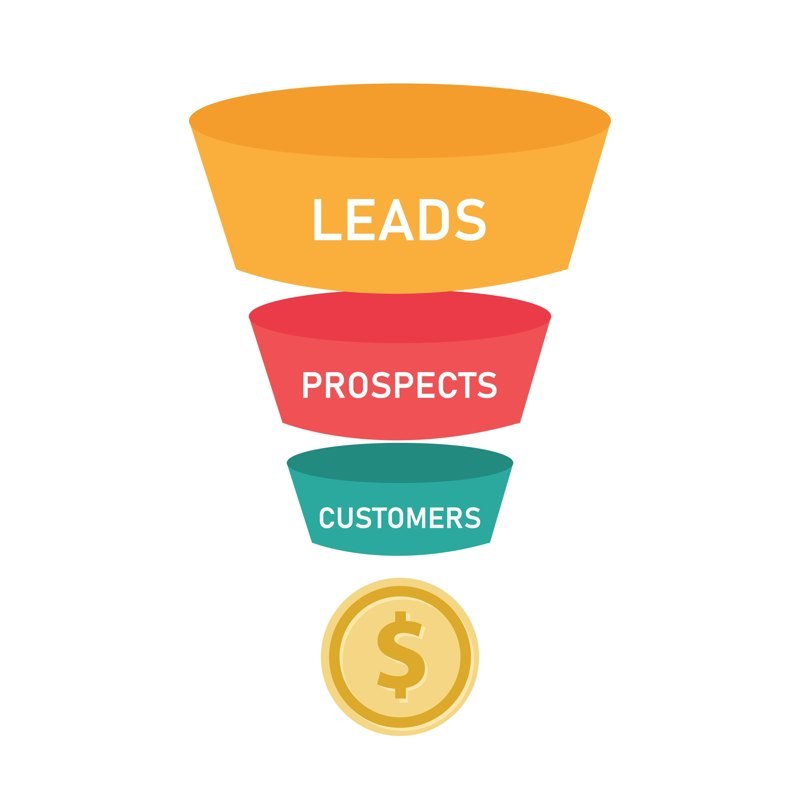
A full inbox can feel like progress. But a list of people who cannot attend your course, do not meet its entry requirements, or misunderstood the price creates work without necessarily creating enrollments.
A better Facebook lead-generation plan starts with the next useful conversation. Who is the program for? What decision is that person trying to make? What information would help both sides establish whether the course is a fit?
For a training business, the goal is not simply more names. It is a manageable process for connecting the right people with an appropriate next step.
Start with one course and one clear offer
Choose a specific program or service rather than advertising every course at once. Write the essentials before you write the headline: the intended audience, delivery format, location, timetable, cost information, and relevant entry requirements.
A useful introductory offer might be a course information pack, a scheduled information session, or a conversation about upcoming start dates. Select the offer that matches the amount of information someone needs before committing.
For example, an illustrative evening training program could invite people to request the schedule and entry-requirement checklist. That is a clearer promise than “Transform your future today,” and it gives your staff a specific reason to follow up.
Use only supportable claims about approval, certification, employment outcomes, and fees. Do not imply guaranteed jobs or guaranteed eligibility when those depend on facts you have not established.
Choose the route that fits the decision
Meta’s lead ads can use instant forms that collect information within Facebook or Instagram. Contact details may be prefilled, and custom questions can help qualify the inquiry. 1
Another approach is to send visitors to a page on your own website. Treat the choice as a test, not a rule that one route always performs better. A website page gives you room to explain a complex program; an instant form keeps the initial inquiry inside the platform.
For either route, make the next step explicit. Is the visitor asking for information, booking a consultation, applying for admission, or paying for a class? Those are different actions. A submitted lead form should not be presented as a confirmed enrollment unless your actual process makes it one.
Ask questions that help someone respond
Keep the initial form focused on information your team will use. Consider the program of interest, preferred start period, and whether the person wants an online or in-person option. Ask about contact preferences where appropriate.
Avoid turning an early inquiry into a full admissions application. If a sensitive document is needed later, direct the person to your approved secure process at the appropriate stage rather than collecting it casually through an advertising form.
Meta’s guidance discusses preparing the fields needed for lead management and making it clear why contact information is collected. 2 For your school, write the follow-up procedure alongside the form: who receives each field, what it helps them decide, and which fields are required rather than merely interesting.
Send several internal test inquiries before spending on the campaign. Check that answers, consent information, and source identifiers arrive in the place your staff actually works.
Make privacy and permission part of the offer
Publish an accurate, accessible privacy notice explaining how inquiry information is used. Meta’s privacy guidance describes disclosures covering collection, use, sharing, and contact information. 3
Do not treat a request for a course schedule as unlimited permission to send unrelated campaigns. Decide what communication the person expects, capture any permission required for the channel, and provide a practical way to stop further marketing.
Messaging providers can impose their own requirements in addition to applicable law. Twilio, for example, requires prior express written consent for promotional messages under its messaging policy. 4 Have your process reviewed for the channels and jurisdictions you use rather than relying on a generic checkbox as a universal solution.
Prepare the follow-up before launching the ad
Choose one owner for new inquiries and a realistic coverage plan for evenings or weekends. An automatic acknowledgment can explain when someone should expect a reply; it should not pretend that a staff member has already reviewed the application.
An illustrative first response might be: “You asked for the evening program schedule. Here are the dates and entry requirements. Is your main question about timing, cost, or whether the course matches your goal?”
That message continues the original request instead of opening with an unrelated sales pitch. Give staff the course details and a way to record the answer, next action, and eventual outcome.
Where systems are connected, test the transfer rather than assuming it works. Check field mapping, duplicate handling, permissions, and failed transfers. This article does not establish a native Meta-to-Steams integration or promise that a particular connection is included.
Measure qualified interest and enrollment, not just volume
Set your definitions before comparing campaigns. A raw inquiry, a reachable contact, a person who fits the program, and a confirmed enrollment should not share the same label.
Consider this hypothetical calculation, not a benchmark. Campaign A costs $200 and produces 40 inquiries; campaign B costs $200 and produces 20. Their costs per inquiry are $5 and $10. If A later produces two confirmed enrollments and B produces four, the costs per recorded enrollment are $100 and $50 respectively.
The example shows why the cheapest inquiry is not automatically the most useful result. In real reporting, allow enough time for decisions, handle duplicate contacts, and be explicit about which campaign receives credit. Advertising cost per enrollment is not the same as profit.
Improve one part of the process at a time
Review the questions people ask after submitting the form. Repeated confusion about course times may call for clearer information, not a larger budget. A large number of ineligible inquiries may call for a better description of prerequisites.
Test a modest change to the offer, form, or page and compare the downstream results. Keep the staff follow-up process as consistent as possible so you are not comparing entirely different experiences.
Steams Online’s public lead-management information describes capture forms, lead progress, and team assignment. 5 Bring a sample inquiry and your follow-up process to a demo, including any connection you need with your advertising tools. The useful question is how the complete process works—not simply whether the platform can store a name.
Sources & further reading
- Meta Business Help Center. About lead ads with instant form.
- Meta Business Help Center. Recommendations and requirements for lead ads with instant form.
- Meta Business Help Center. About privacy policies for lead ads.
- Twilio. Messaging Policy.
- Steams Online. Marketing & Lead Management.
Sources accessed September 19, 2026. Examples and implementation suggestions are original applications, not reported study results.